
Chatham-Kent, ON, plumbers provide simple tips for avoiding clogging of drain and sewer lines.
Chatham-Kent, Canada - August 28, 2025 / Postma Heating & Cooling /
Tips to Avoid Clogging Drain and Sewer Lines
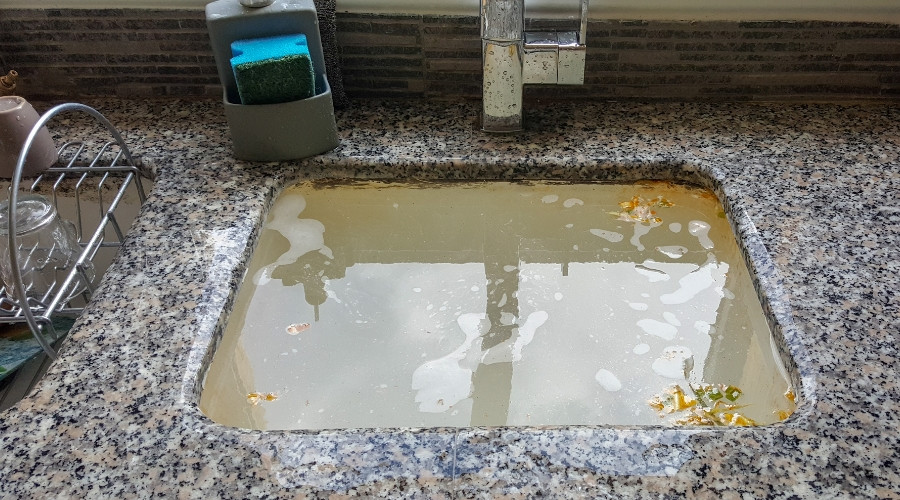
A clogged drain line or sewer line can quickly turn into a major headache, leading to issues like foul odors, slow drainage, backups, and more, and requiring professional drain cleaning to solve. However, by being aware of some common causes of clogs, people can help prevent drain and sewer line clogs with a few simple, proactive habits.
Be Careful What Is Flushed
 One of the most common causes of sewer line clogs is flushing the wrong items down the household’s toilets. Toilets are designed to handle human waste and toilet paper. However, items such as paper towels, cotton balls or swabs, flushable wipes, feminine hygiene products, hair, dental floss, and more should never be flushed, as they can accumulate in the pipes, leading to significant blockages and backups. Instead, people should dispose of these items in the garbage bin.
Even toilet paper, when used in excessive amounts, can contribute to clogs. While toilet paper is designed to break down in water, flushing large amounts of toilet paper at once can overwhelm the plumbing and lead to clogging. To prevent this, try to use less toilet paper, or if a larger amount is needed, flush multiple times in smaller increments rather than attempting to flush everything at once. These simple habits can go a long way in keeping the lines clear.
Avoid Putting Food Waste Down the Kitchen Sink
 What goes down the kitchen sink drain is another common culprit in sewer line clogs, even when the drain is equipped with a garbage disposal. Even with a garbage disposal, most food items should not go down the drain, as they can accumulate and create a sewer or drain line clog.
Grease, fats, and oils may start as a liquid but, when cooled, solidify and cling to pipe interiors, creating stubborn blockages. Other things that should not go down the drain are coffee grounds, eggshells, potato peels, foods that retain water, such as rice, oatmeal, and pasta, fibrous foods, and more.
To prevent a clogged sewer line or drain line, it’s best to put any food scraps into the garbage or a compost bin before rinsing dishes. While garbage disposals can handle small amounts of certain food scraps, they should not be used as a substitute for the trash can. Being diligent about what goes down the kitchen sink can significantly reduce the risk of clogs and keep drains flowing freely.
Use Drain Screens
A simple yet effective way to help prevent clogs is to use drain screens. These inexpensive, mesh screens can be placed over the drains in the kitchen sink, bathroom sinks, shower, and bathtub. They act as a barrier, catching common culprits of clogs like food waste, hair, soap scum, and more before they can enter the pipes.
Regularly emptying the collected material from these screens into the trash is a quick and easy habit that makes a big difference in reducing the amount of obstructive material that goes down drains, thereby minimizing the risk of blockages. However, if clogs do occur in the drain and sewer lines, a plumber should be called to unclog the lines and restore proper drainage.
About Postma Heating & Cooling
Postma Heating & Cooling is a local, family-owned heating, air conditioning, electrical, and plumbing company serving the Chatham-Kent area. They provide same-day services, straightforward pricing, and a 100% satisfaction guarantee. Call them for drain cleaning services in Chatham-Kent, ON.
Contact Information:
Postma Heating & Cooling
22132 Charing Cross Rd
Chatham-Kent, ON N7M 5J3
Canada
Caleb Postma
+1 519-354-9491
https://www.postma.ca/
