
GYN Solutions & Aesthetics, a gynecology and aesthetics practice led by board-certified OB/GYN Dr. Leslie Bender-Ralph, shares general guidance for women who use hormone replacement therapy, including HRT for Perimenopause, and plan to travel during the 2026 holiday season, which begins with Thanksgiving on November 26. This guidance is general information about planning ahead and does not replace individualized medical advice from a patient's own provider.
Holiday travel has been setting records. Last year, AAA projected that a record 81.8 million people would travel at least 50 miles from home during the 2025 Thanksgiving holiday period, about 1.6 million more than the year before, with nearly 90 percent traveling by car. Long drives, crowded airports, and shifted schedules can make it harder to keep any daily medication routine, including hormone therapy prescribed for the symptoms of perimenopause or menopause.
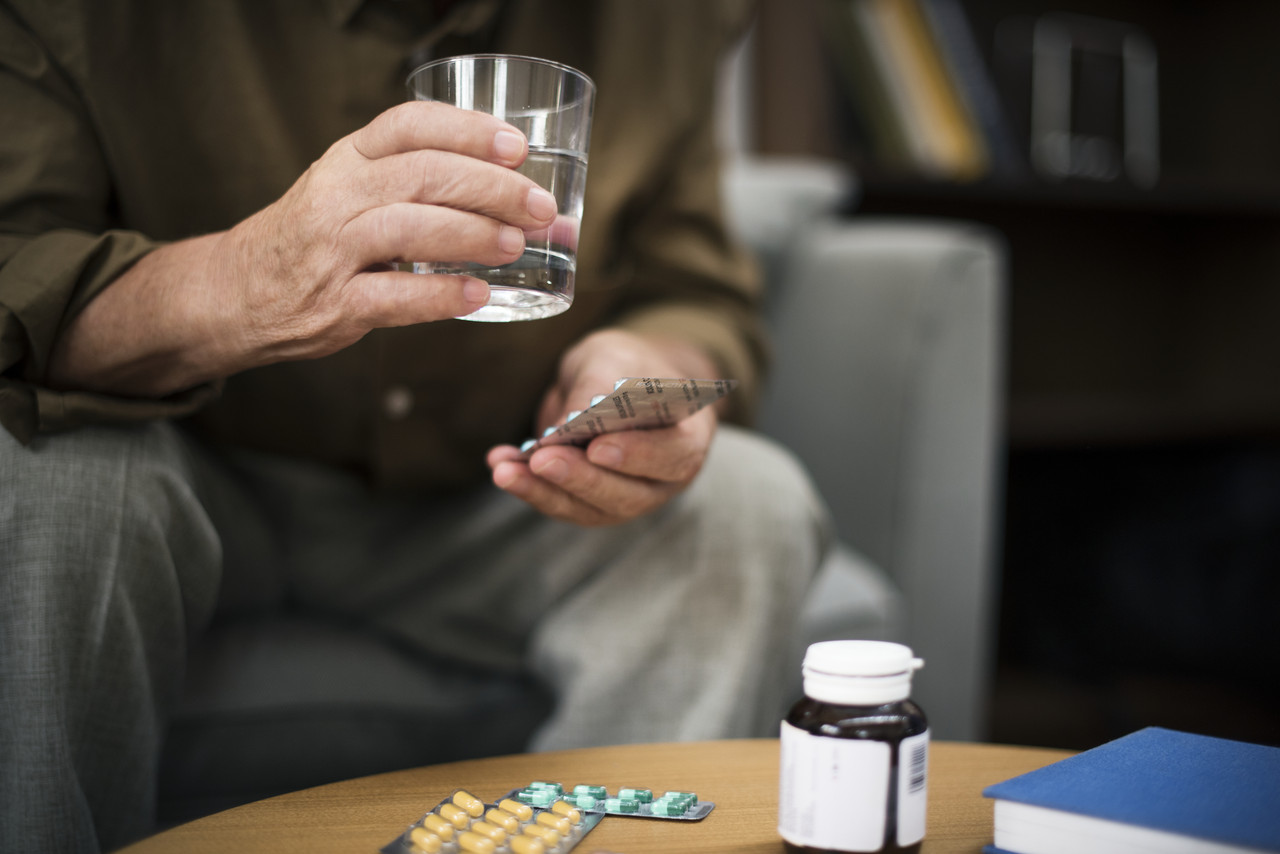
How to take HRT while traveling depends largely on the type of therapy and the way it is delivered. Hormone therapy may be prescribed as pills, patches, creams or gels, injections, or pellets placed under the skin, and each form brings different practical considerations for a trip. Patients who receive Hormone Replacement Therapy in St. Petersburg, FL, through the practice begin with a consultation and bloodwork. According to the practice, patients using longer-acting pellets typically plan their next appointment around travel dates, while patients using daily or weekly forms need to plan for dosing while away from home.
Medical guidance supports careful, individualized planning. The 2022 hormone therapy position statement from The Menopause Society, formerly The North American Menopause Society, concluded that for most healthy women with bothersome symptoms who are younger than 60 or within 10 years of menopause onset, the benefits of hormone therapy outweigh the risks. The statement identifies greater absolute risks of coronary heart disease, stroke, venous thromboembolism, and dementia for women who begin hormone therapy after age 60 or more than 10 years after menopause onset, and it notes observational evidence of a possible rare increase in breast cancer risk with longer duration of use. It also states that risks differ by hormone type, dose, duration, route of administration, and timing of initiation, and that treatment should be individualized and periodically reevaluated.
"A trip is a good reason to look at the whole treatment plan, not just the packing list," said Dr. Leslie Bender-Ralph, board-certified OB/GYN at GYN Solutions & Aesthetics. "Patients should know before they leave which part of their routine is time-sensitive, how much supply they actually need, and who to contact if something changes while they are away."
The practice generally advises packing enough medication for the full trip plus extra in case of delays, keeping it in carry-on luggage in its original labeled packaging, and bringing a copy of the prescription along with the prescribing provider's contact information. According to the Transportation Security Administration, medically necessary liquids, gels, and creams are allowed in reasonable quantities above the standard 3.4-ounce limit but must be declared to officers at the checkpoint for inspection. The practice also advises storing patches and other hormone medications according to the manufacturer's labeling and not leaving them in parked cars, where temperatures can rise quickly.
For trips that cross time zones, the practice recommends that patients ask their provider before departure how to adjust the timing of daily doses rather than changing the schedule on their own. Setting phone reminders and keeping a brief symptom record during the trip can also make follow-up conversations more specific after returning home.
Planning matters most for women who are early in treatment. Perimenopause treatment is often adjusted over time because hormone levels can vary considerably during the transition to menopause, so a woman who started therapy recently may still be working with her provider on dose and timing when the holidays arrive.
"For patients who are still in the middle of dose adjustments, a conversation a week or two before departure is far easier than troubleshooting from another time zone," said Dr. Bender-Ralph.
GYN Solutions & Aesthetics is a gynecology and aesthetics practice with offices in Tampa and St. Petersburg, Florida, offering general and minimally invasive gynecology, menopause care including hormone replacement therapy, and aesthetic treatments for women. Dr. Leslie Bender-Ralph, a board-certified OB/GYN with more than 14 years of clinical experience, leads the practice and has held academic teaching appointments at the University of Florida, Florida State University, and Florida Atlantic University.
###
For more information about GYN Solutions & Aesthetics, contact the company here:
GYN Solutions & Aesthetics
Dr. Bender-Ralph, Dr. Leslie Bender-Ralph
tel:7275130231
info@gsatampa.com
1236 Dr M.L.K. Jr St N, St. Petersburg, FL 33705, United States
